
Active isolated stretching (AIS) is a technique used by athletes and fitness enthusiasts to enhance flexibility, improve range of motion, and reduce the risk of injury. In this article, we’ll explore the scientific benefits of AIS, how it works, and when it should ideally be initiated and performed.
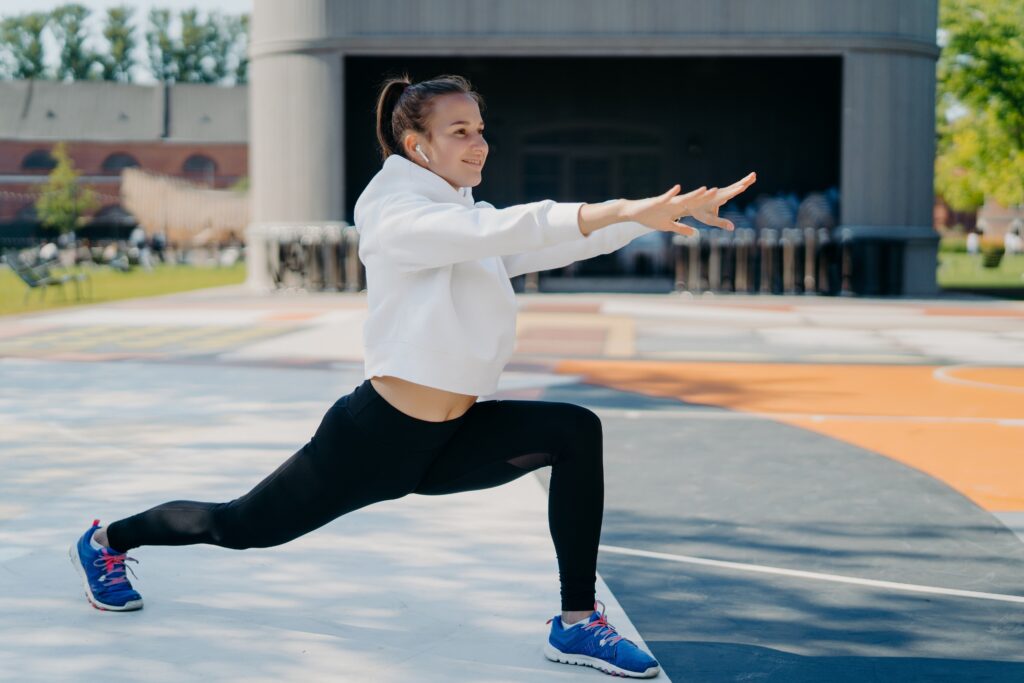
What is Active Isolated Stretching?
Active isolated stretching is a technique that involves holding a stretch position for a very short period of time, typically 1-2 seconds, and then releasing the stretch. This technique is typically repeated several times, with each repetition allowing for a greater range of motion.
How Does Active Isolated Stretching Work?
Active isolated stretching works by gradually lengthening the muscle fibers and increasing range of motion. By holding each stretch position for a short period of time, the muscle fibers are allowed to lengthen without triggering the protective stretch reflex, which can cause the muscle to contract and shorten.
Scientific Benefits of Active Isolated Stretching
Here are some of the scientific benefits of active isolated stretching for health, recovery, and sports performance:
- Improved Flexibility and Range of Motion
Active isolated stretching can improve flexibility and range of motion around a joint, which can enhance athletic performance and reduce the risk of injury. By gradually lengthening the muscle fibers, AIS can help to increase flexibility and range of motion, which can help athletes perform better and reduce the risk of injury.
- Reduced Muscle Tension and Soreness
Active isolated stretching can also help to reduce muscle tension and soreness, which can improve recovery and enhance sports performance. By allowing the muscle fibers to lengthen gradually, AIS can help to reduce muscle tension and alleviate pain and discomfort.
- Improved Circulation
Active isolated stretching can improve circulation, which can enhance recovery and reduce the risk of injury. By increasing blood flow to the muscles, AIS can help to improve the delivery of oxygen and nutrients to the muscles, which can improve overall health and wellness.
When Should Active Isolated Stretching be Initiated and Performed?
Active isolated stretching should ideally be initiated and performed after a workout or physical activity, when the muscles are warm and pliable. Cold muscles are more prone to injury, so it’s important to warm up the muscles before performing AIS.
Additionally, it’s important to perform AIS in a controlled manner, with each stretch held for a very short period of time, typically 1-2 seconds. Avoid any movements that cause pain or discomfort, and focus on gradually lengthening the muscle fibers over several repetitions.
Conclusion
Active isolated stretching is a simple and effective way to improve flexibility, reduce muscle tension, and enhance sports performance. By gradually lengthening the muscle fibers, reducing muscle tension and soreness, and improving circulation, AIS can benefit your health, recovery, and sports performance. If you’re an athlete or fitness enthusiast looking to improve your flexibility and enhance your sports performance, consider incorporating active isolated stretching into your training regimen, being mindful of when to initiate and perform it.